
Writing & Blog
Writing is medicine.
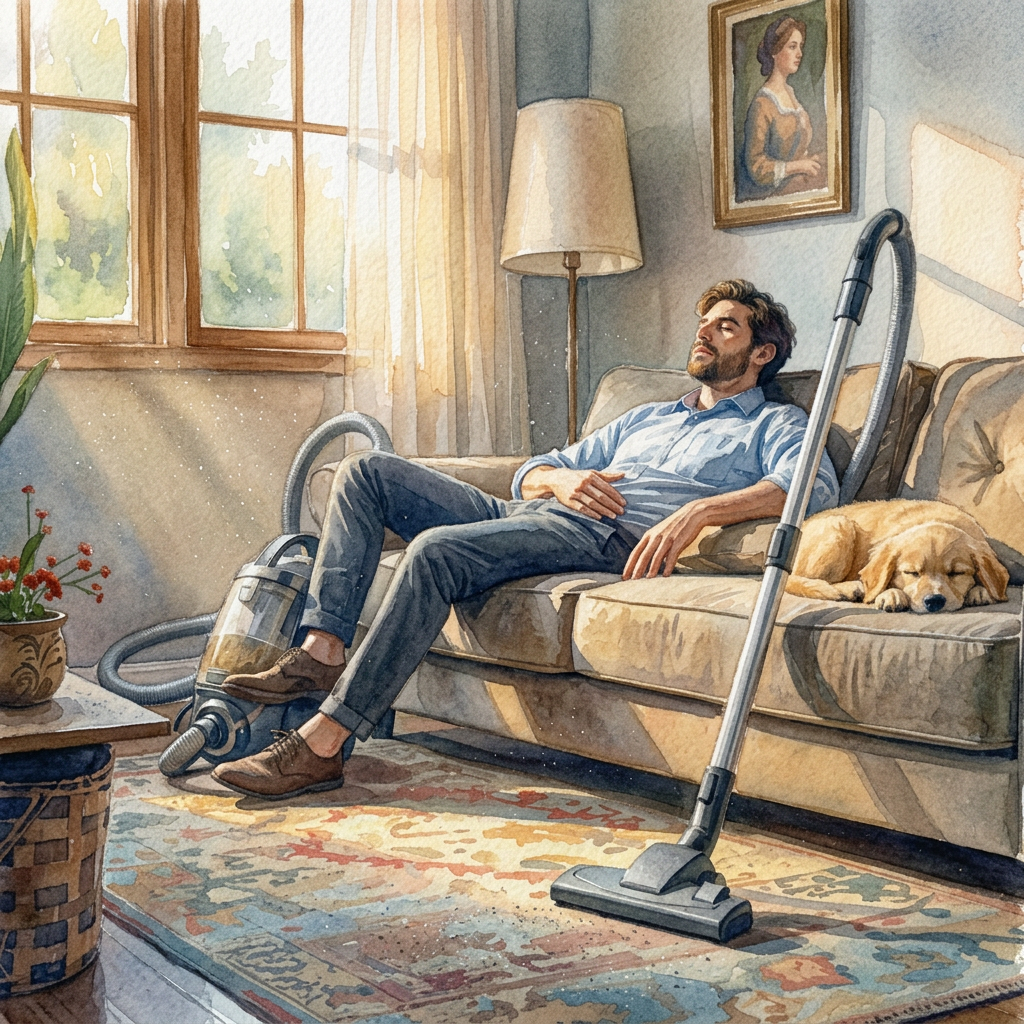
My Husband's Vacuuming Style Used to Drive Me Crazy... Now I Think He Was Onto Something
Many of us have somehow absorbed the idea that if we're not moving at full speed, we're falling behind.
In my mind, vacuuming was a 10-minute job. You put your head down, race through the house, and don't stop until it's done.
Apparently, my husband had created an entirely different system.

Is It Okay to Change Therapists?
How do you know when it’s time to change therapist? A therapist can guide you, support you, and hold space for your healing, but healing also requires your participation.
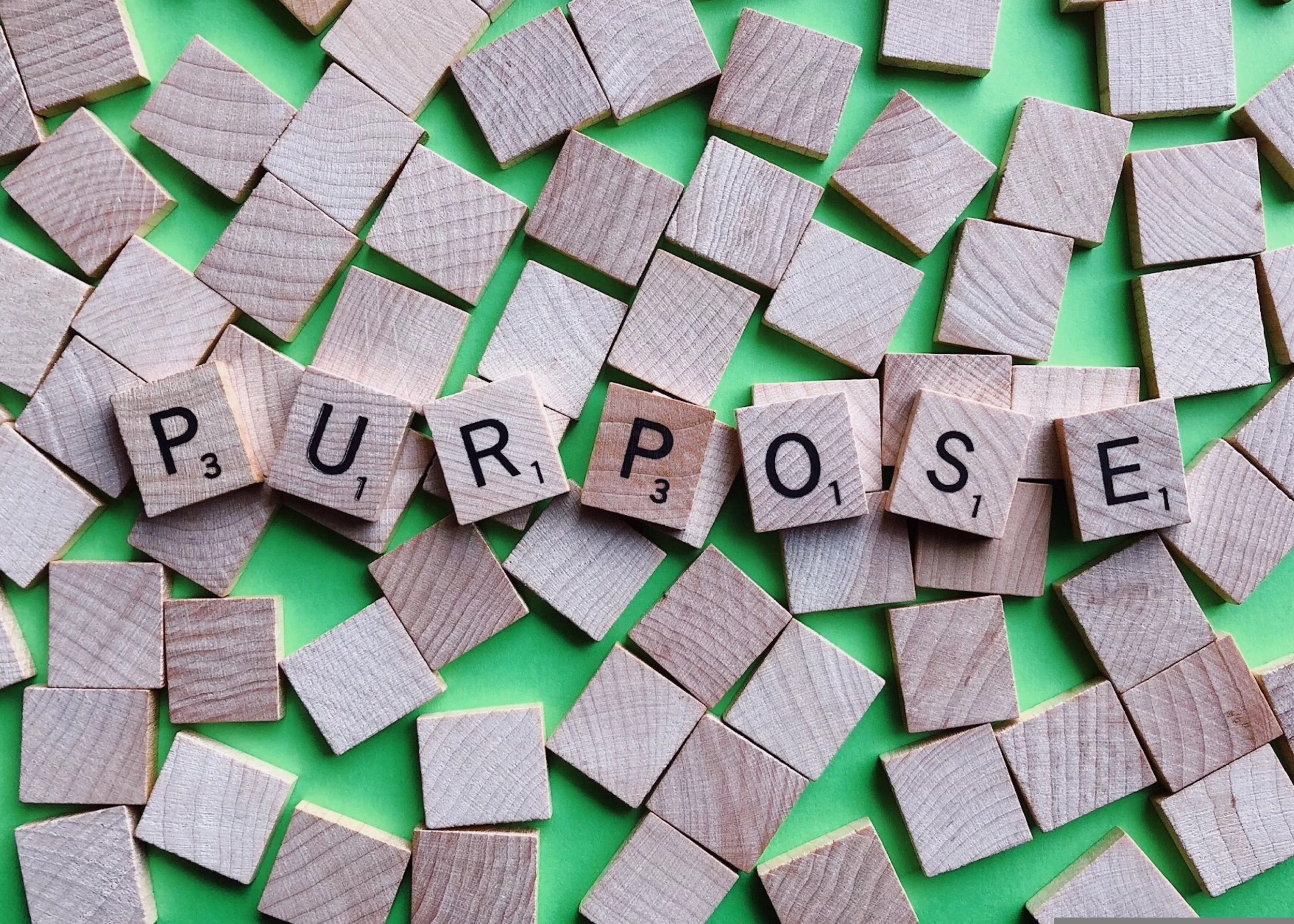
What Is My Purpose in Life?
I often hear it from people, especially those in their late 20s and 30s, who are going through an existential crisis. What is my purpose? What am I supposed to do with my life? These questions can feel overwhelming.
My invitation to you is this: what do you think your life is supposed to look like? And who or where did you get those ideas?

AI and Mental Health
While some features of AI can be helpful, especially for folks of the global majority, relying on AI for advice that could easily come from friends or family may actually contribute to people feeling more isolated.

Asking for What You Need vs. Expecting Others to Guess
Healing isn’t about getting a “yes” every time. It’s about learning to honour your needs, voice them, and trust that your worth isn’t dependent on someone else’s response.

Community—look out for your neighbours—especially during the holiday season
It’s especially important to care for your community during the winter months and the holiday season, when many people feel isolated.
Do you know your neighbours? Do you know what they do, or the names of their children?

Why Do I Feel S.A.D. When the Weather Gets Cold?
For me, it doesn’t matter if it’s “cool” or truly cold outside. Once the temperature drops below 10°C, my body begins to protest. My shoulders feel heavy, I reach for anything warm, and my legs turn to lead.
From March through early October, I’m happy. I have energy, I want to go for walks, and I feel lighter and more motivated.
But once mid-October hits and the weather cools, I start to feel like a sloth. November is the hardest — I want to hibernate, and my energy disappears. I feel a little lift in mid-December because I love Christmas, and January 1st always brings a spark of hope. But by the second week of January, I’m right back in hibernation mode until March.
At least that was my pattern for years until I realized I was experiencing Seasonal Affective Depression (SAD).
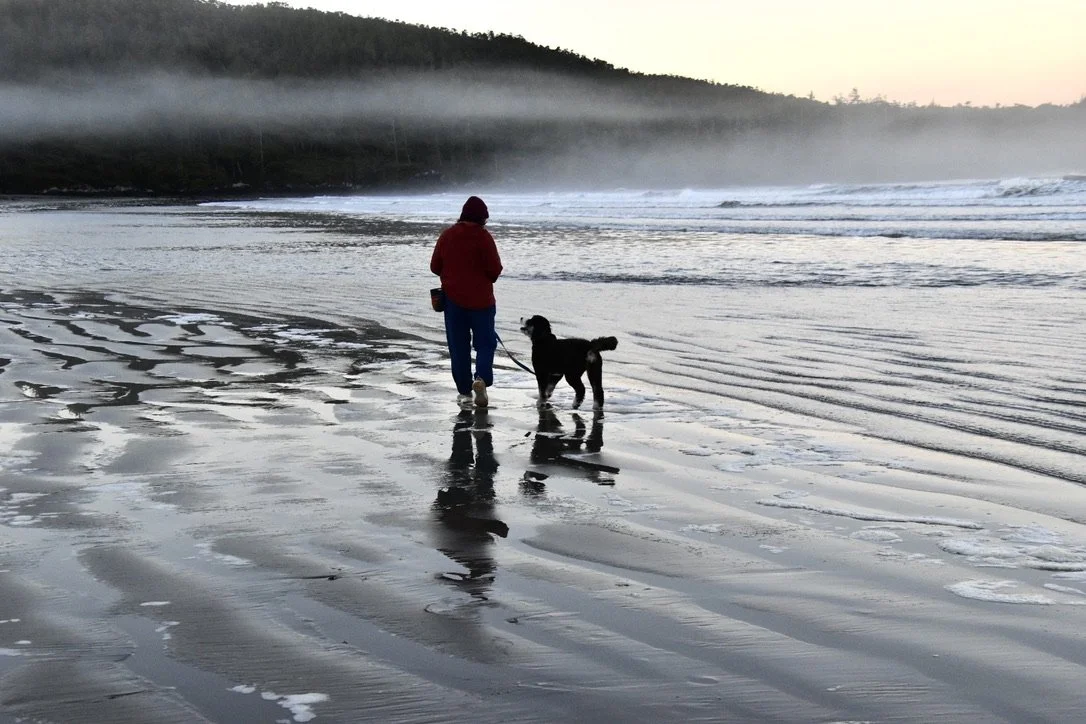
What I Learned After Stopping Running for 10 Years
I used to be a long-distance runner. I started in high school with cross country and continued into my early 30s. I wasn’t particularly fast, but I had the determination and endurance to run for hours at a time. Looking back, I now realize that running was one of the ways I coped with depression. I didn’t know I was depressed back then—I just knew that running made me feel better.