Loneliness Economy - Why We Love Online Shopping
Loneliness Economy
A growing trend in which businesses create products and services that address people's need for connection and belonging.
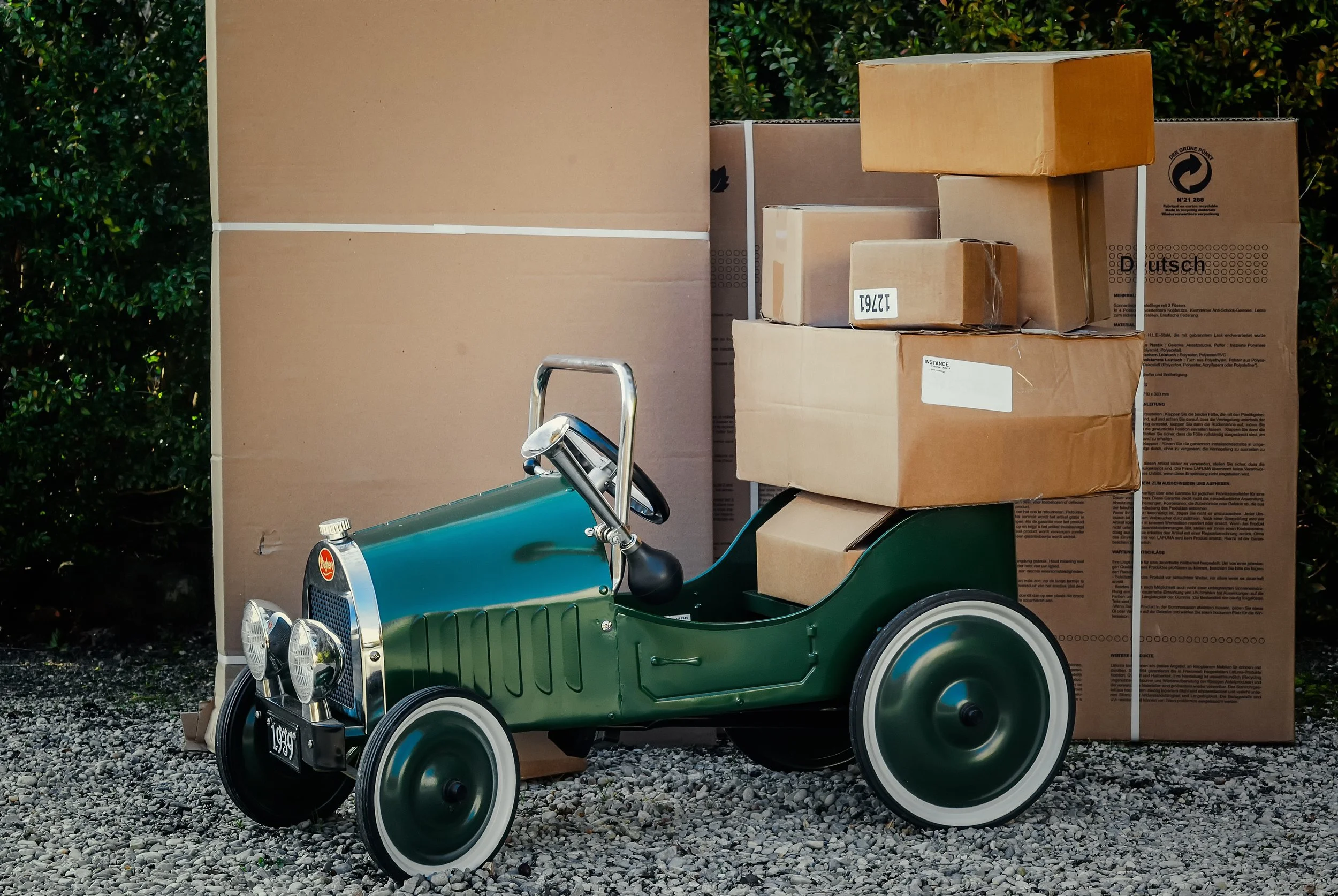
I've been thinking about this for a while. Every time I see packages piled up in our apartment lobby, I often think to myself: It must be so nice to receive parcels. Then I think: I wonder if it’s mine? Maybe Tenny sent me a package.
Another question comes to mind: Why are some people addicted to online shopping?
Tenny, my childhood best friend, sends me care packages three to five times a year, and I look forward to them every single time. I never know what she'll put in the box, but when I open it, I can literally feel my body relax. There's a sense of warmth and comfort because I know she put thought into every item. The things she sends are personal—little reminders that she knows me well and cares about me.
She often includes T-shirts and childhood snacks that she knows I miss from my years growing up in Singapore. These aren't just objects. They're expressions of connection, friendship, and shared memories. I feel loved and seen by her. In return, I also send her things from Canada that are not easily available in Singapore.
Of course, the convenience of online shopping is incredibly important for busy parents, immunocompromised people, the elderly, and, in this capitalist world, it can be a lifesaver for people who work 2-3 jobs to pay rent. Home delivery provides access and convenience that many people genuinely need.
I remember 15 years ago, when my niece was young, my sister shared that the convenience of having her groceries delivered helped to reduce her stress level. For me, part of the appeal is that I miss receiving packages from friends and family.
But all of this has led me to think about something bigger: our growing lack of community, especially for those of us living in more individualistic Western societies.
Growing up in Singapore, I experienced a much more collectivist culture. If someone needed help, they could call a relative, a neighbour, or even the local shopkeeper. Often, they didn't even need to ask. News travelled through family networks, and people simply showed up.
I remember when my mother had surgery. My aunties arrived with home-cooked meals. My uncle came by to drive us to school. My grandmother cooked food and dropped it off without being asked. Everyone contributed in their own way. One of the neighbours even helped us do laundry.
Imagine if we did that for each other; how great would that be?
To know that when you are struggling, your community will show up and support you.
And that brings me back to those packages in the lobby.
I wonder if part of what we're really seeking when we click "Buy Now" isn't the product itself, but the feeling of receiving something. The anticipation. The surprise. The sense that something is arriving for us. For those who are lonely, the 30-second communication with the postal worker or delivery driver might be the only person they talk to all day.
For those of us who are able to leave our homes, I wonder whether some of that need could be met in other ways. Could we reduce the number of activities that fill our schedules and create more space for connection? Could we visit small local shops, support neighbourhood businesses, and spend a few minutes chatting with the owner? Could we build relationships within our communities and satisfy our need to be seen, known, and cared for through human connection rather than home deliveries?
Do you know the name of your local butcher? What about the barista at your favourite coffee shop? Or your next-door neighbour?
Online shopping isn't inherently good or bad. It serves an important purpose and offers real benefits. But perhaps our love of receiving packages points to something deeper—a longing for connection, thoughtfulness, and community.
Maybe what we're really craving isn't another delivery.
Maybe what we're craving is connection and knowing that we are seen. That we matter.
📞 If you need help with your mental health, contact me today. Book a free 15-minute consultation.