
Writing & Blog
Writing is medicine.

Why Do I Feel S.A.D. When the Weather Gets Cold?
For me, it doesn’t matter if it’s “cool” or truly cold outside. Once the temperature drops below 10°C, my body begins to protest. My shoulders feel heavy, I reach for anything warm, and my legs turn to lead.
From March through early October, I’m happy. I have energy, I want to go for walks, and I feel lighter and more motivated.
But once mid-October hits and the weather cools, I start to feel like a sloth. November is the hardest — I want to hibernate, and my energy disappears. I feel a little lift in mid-December because I love Christmas, and January 1st always brings a spark of hope. But by the second week of January, I’m right back in hibernation mode until March.
At least that was my pattern for years until I realized I was experiencing Seasonal Affective Depression (SAD).
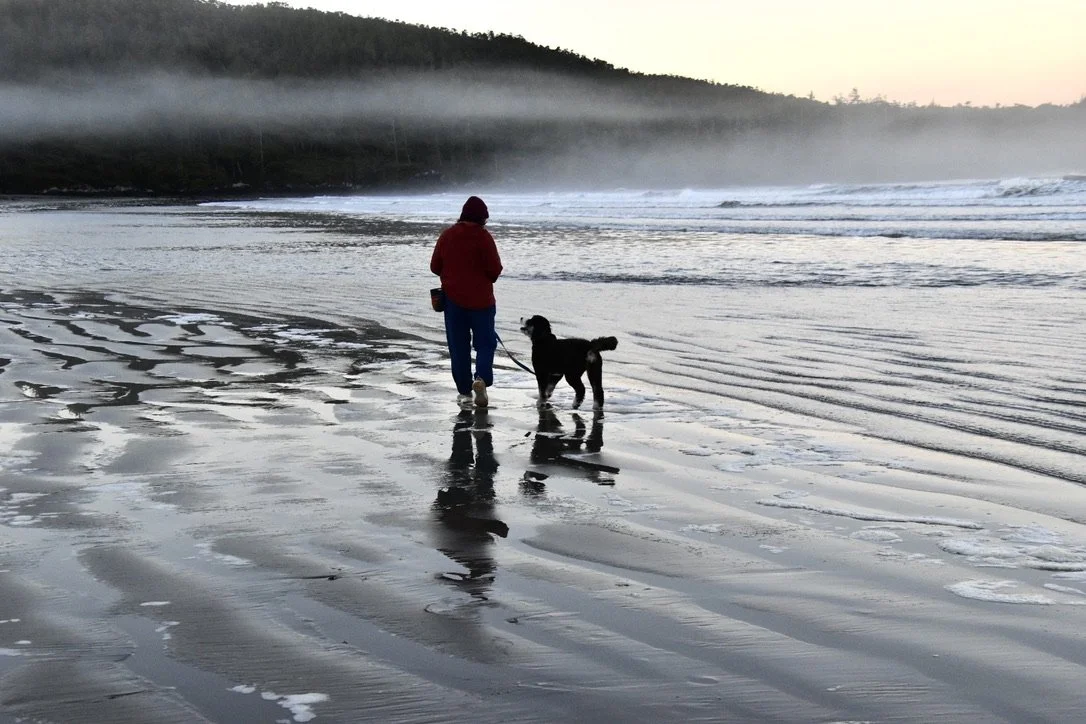
What I Learned After Stopping Running for 10 Years
I used to be a long-distance runner. I started in high school with cross country and continued into my early 30s. I wasn’t particularly fast, but I had the determination and endurance to run for hours at a time. Looking back, I now realize that running was one of the ways I coped with depression. I didn’t know I was depressed back then—I just knew that running made me feel better.

Why Mental Health Is Still Taboo in Many Asian Communities
Cultural beliefs, shame, and a lack of knowledge are often why talking about mental health in Asian cultures are a taboo.

Is it Seasonal Affective Disorder (SAD) or is it Capitalism?
Seasonal Affective Disorder (SAD) is a type of depression that typically occurs during specific seasons, most often in the fall and winter when daylight hours are shorter.